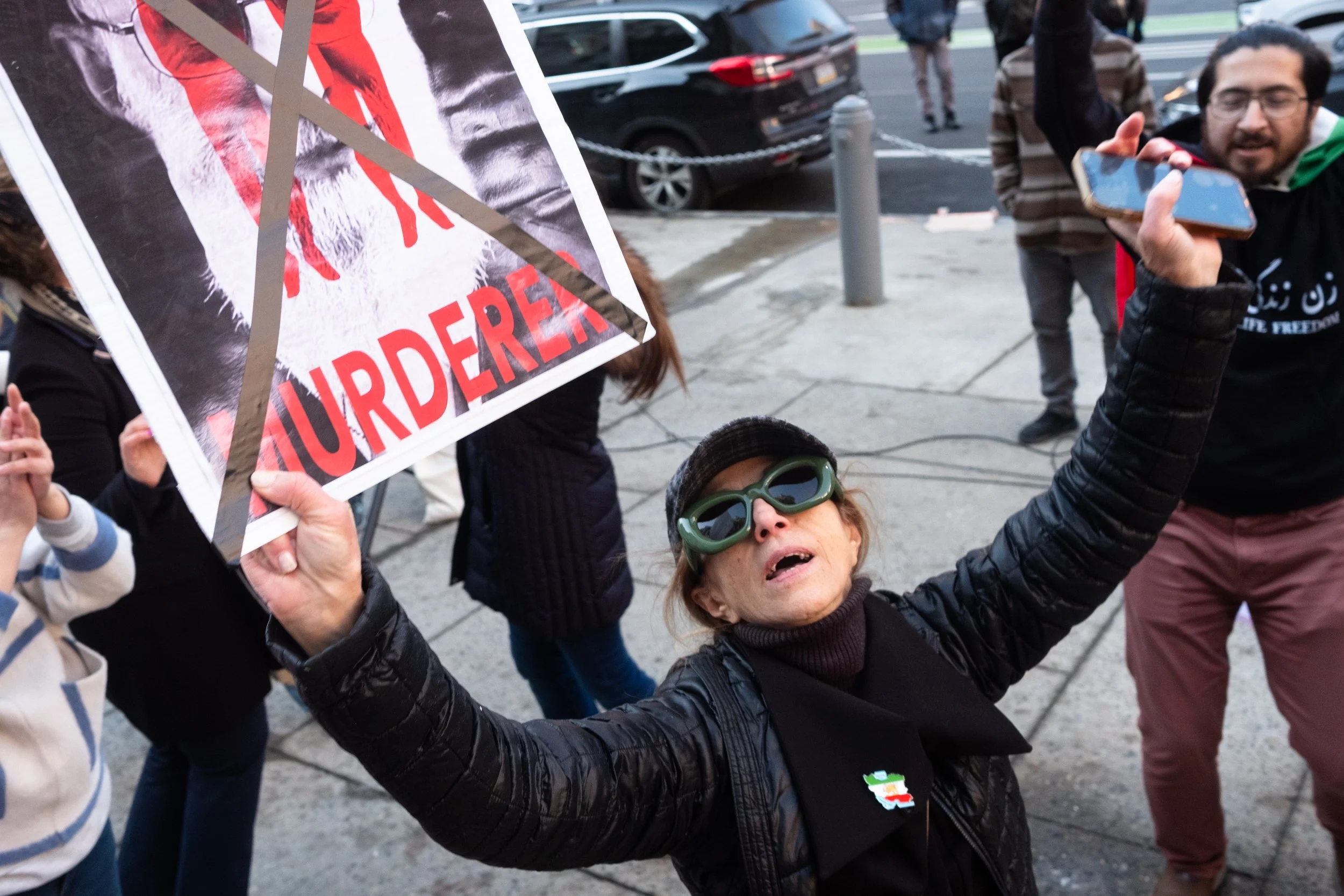
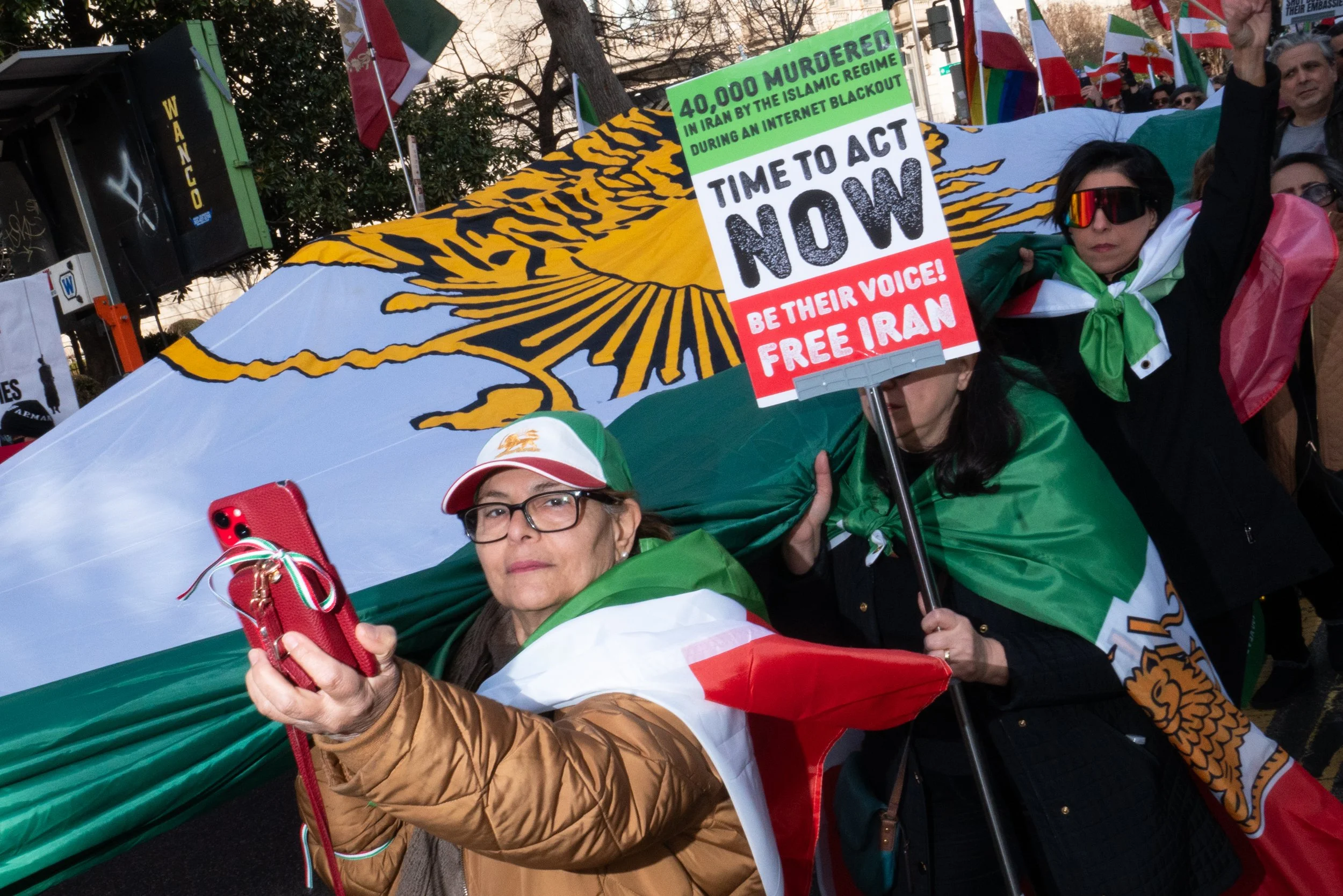
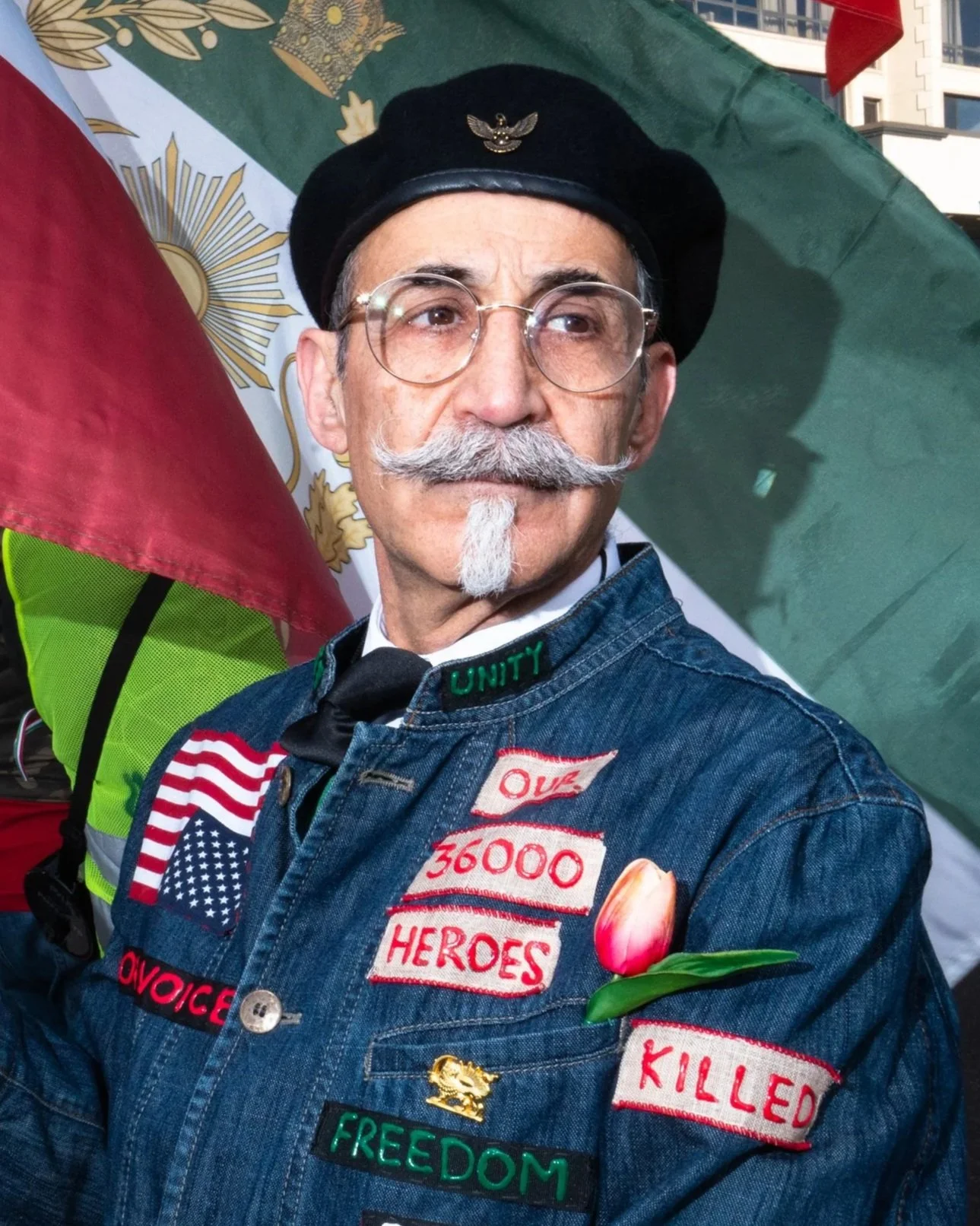
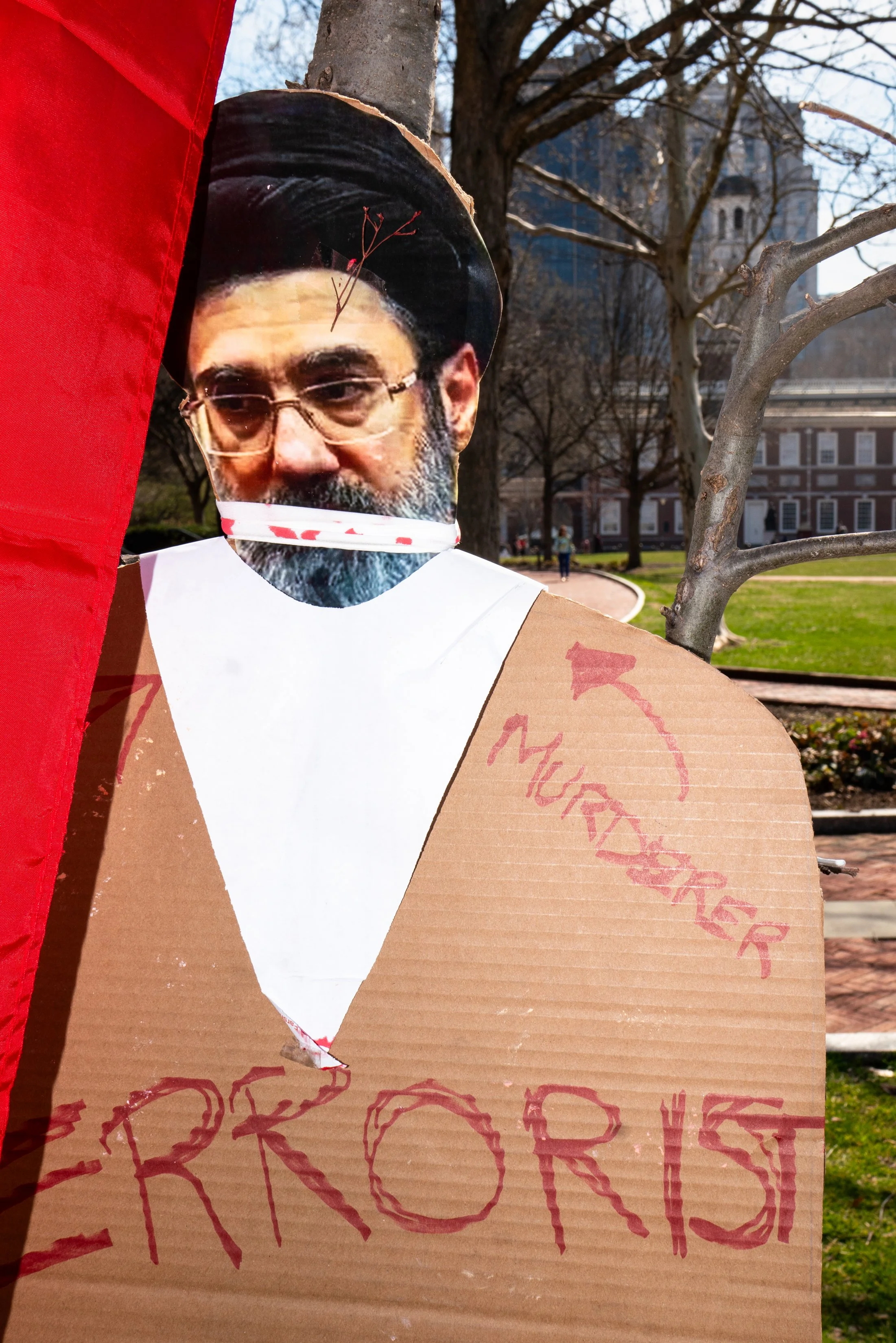
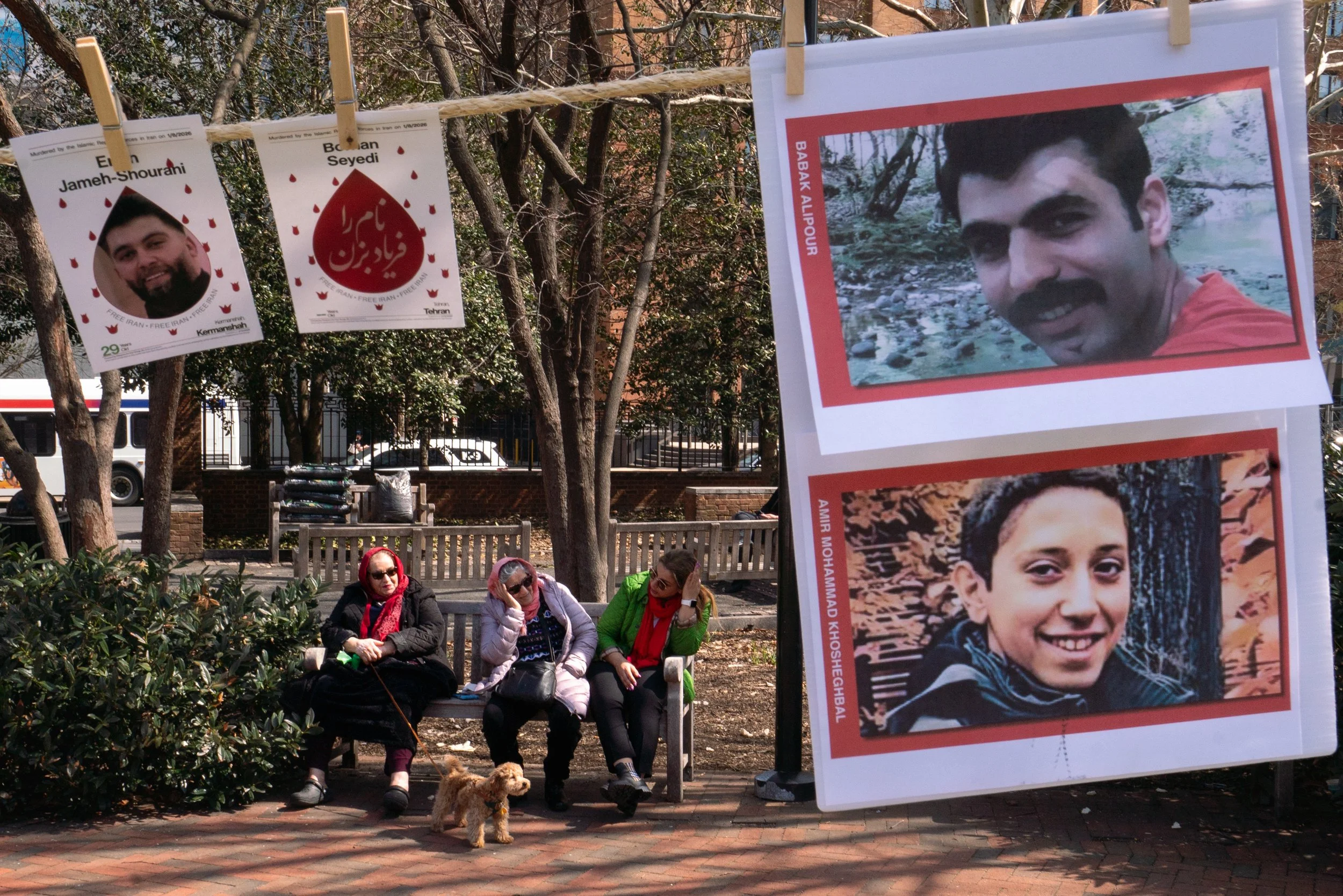
For three months, Iran's government has cut off internet access to its people, while punishing them for dissent. On 3 January 2026, Iran’s Supreme Leader, Ali Khamenei, denounced protesters as “rioters” who should be “put in their place.” Reports have found that Iran’s Revolutionary Guard (IRGC) killed 30,000-36,500 protesters within a two-day period. Nearly two months later, the United States and Israel launched ‘Operation Epic Fury’ and declared war against Iran.
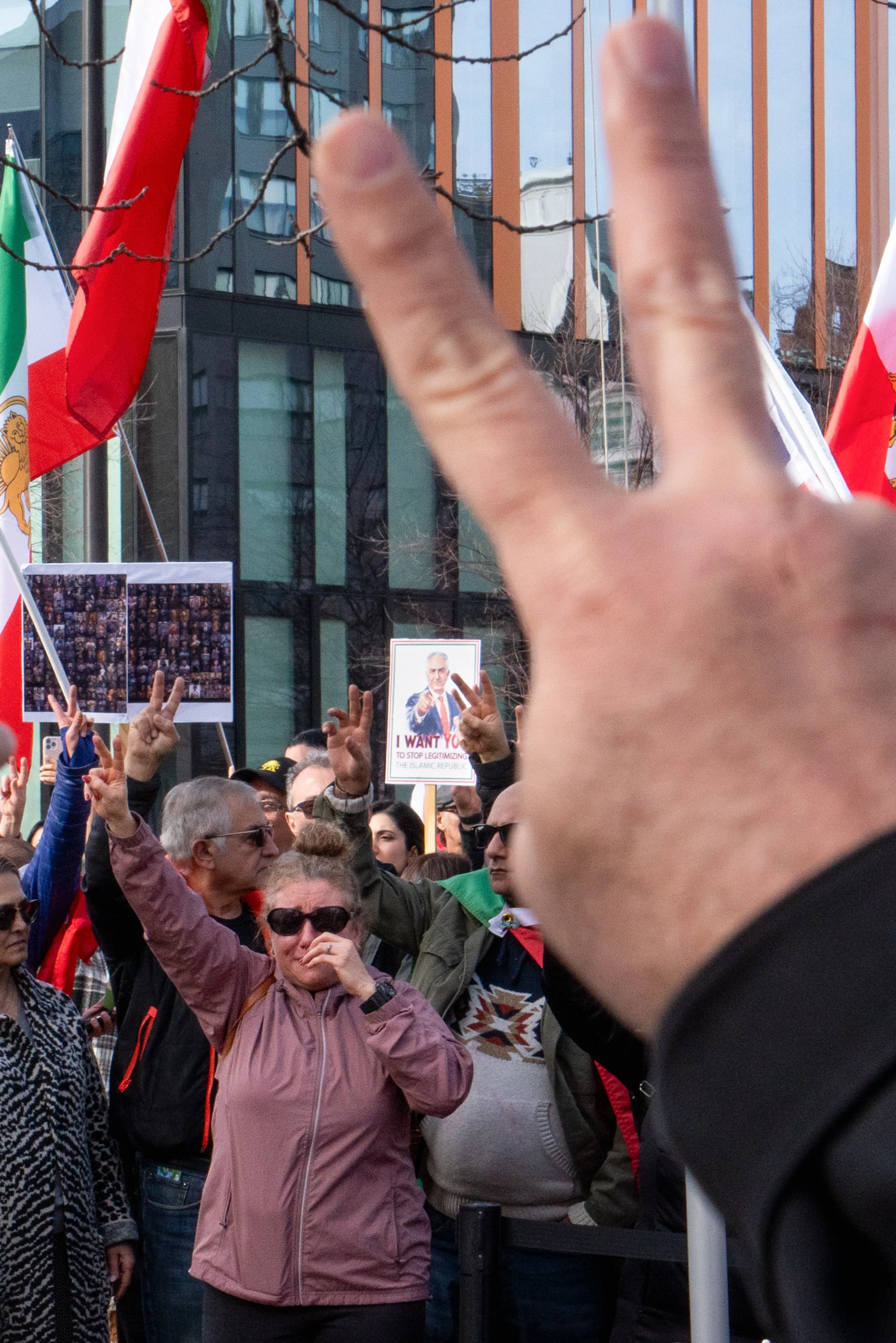
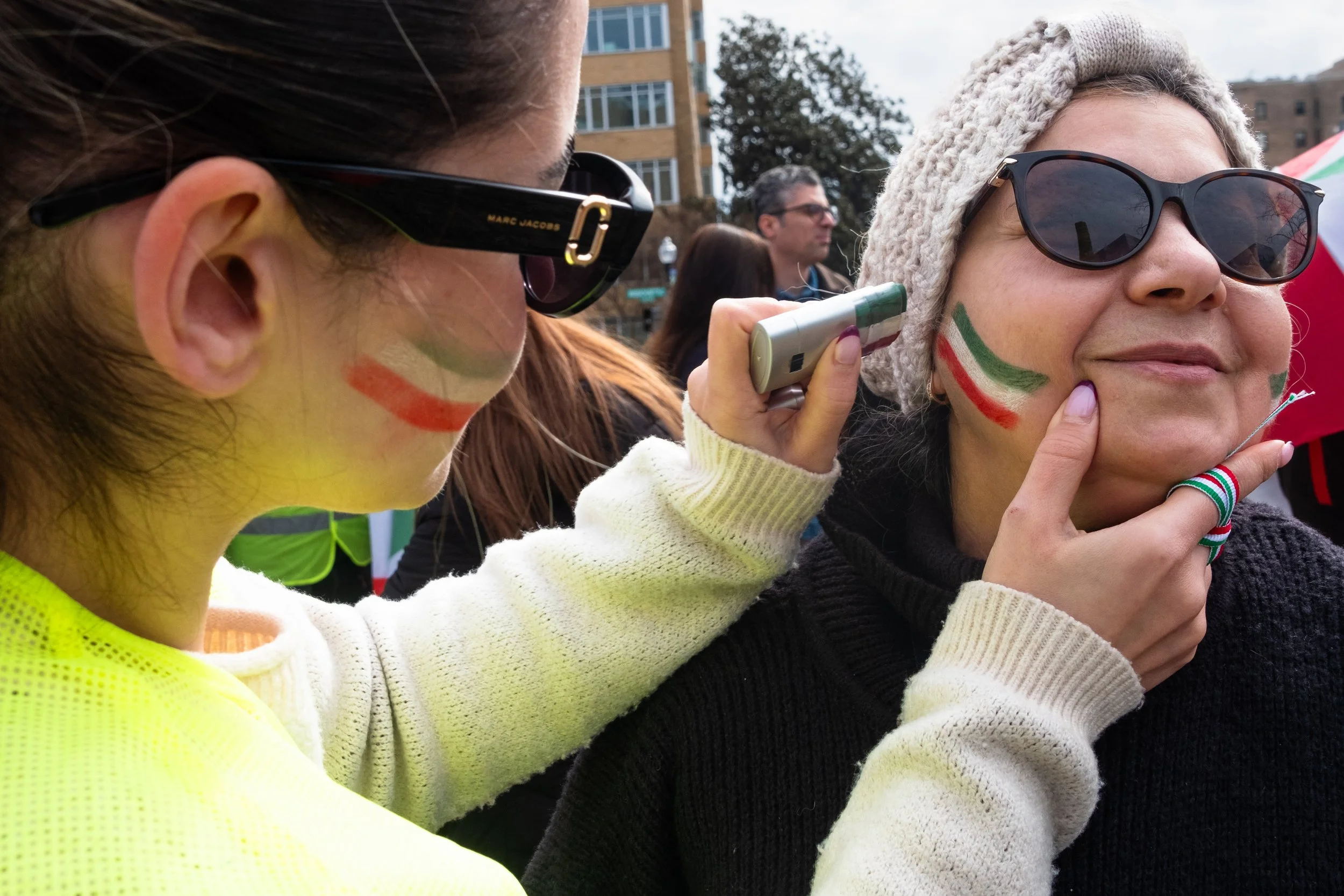
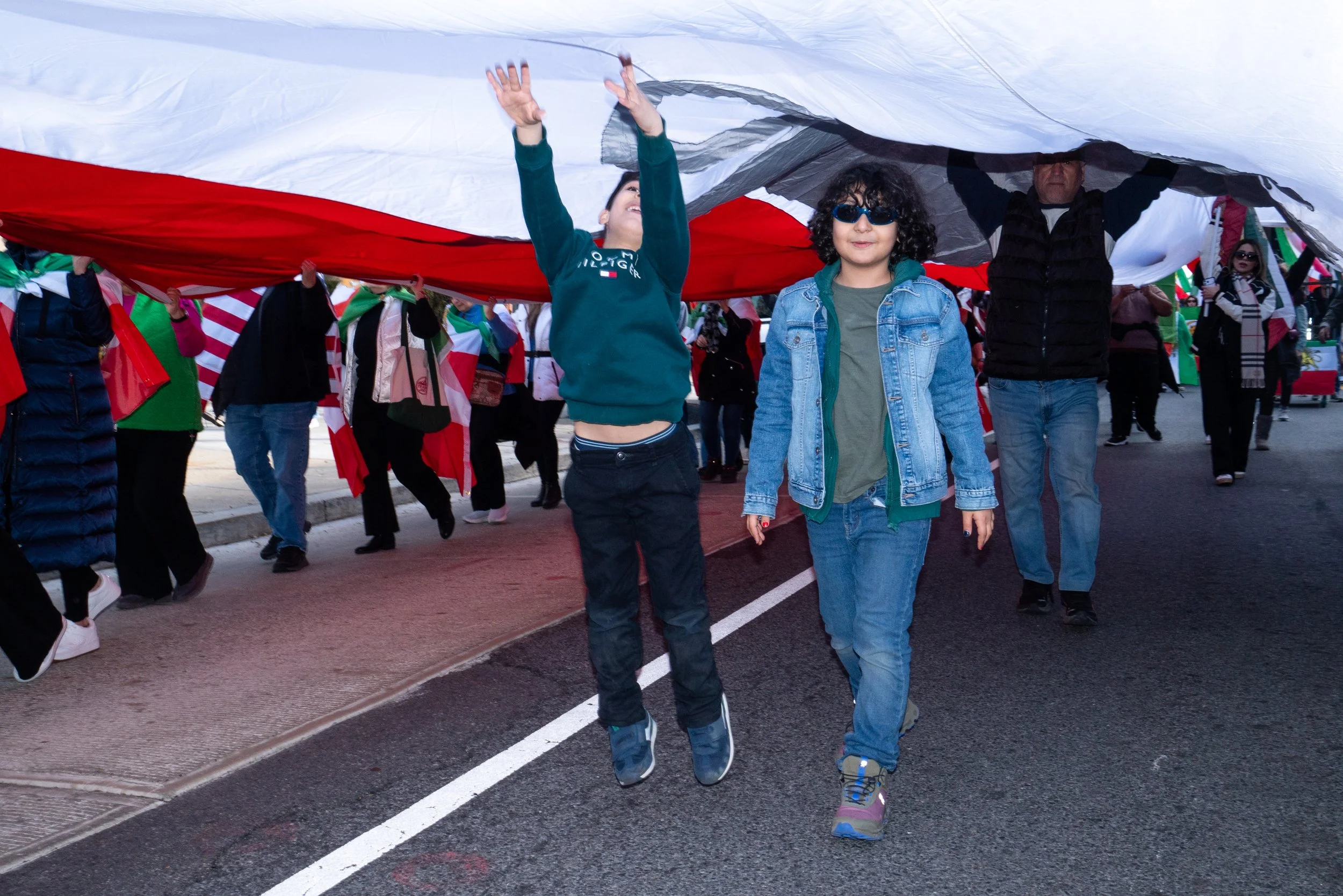
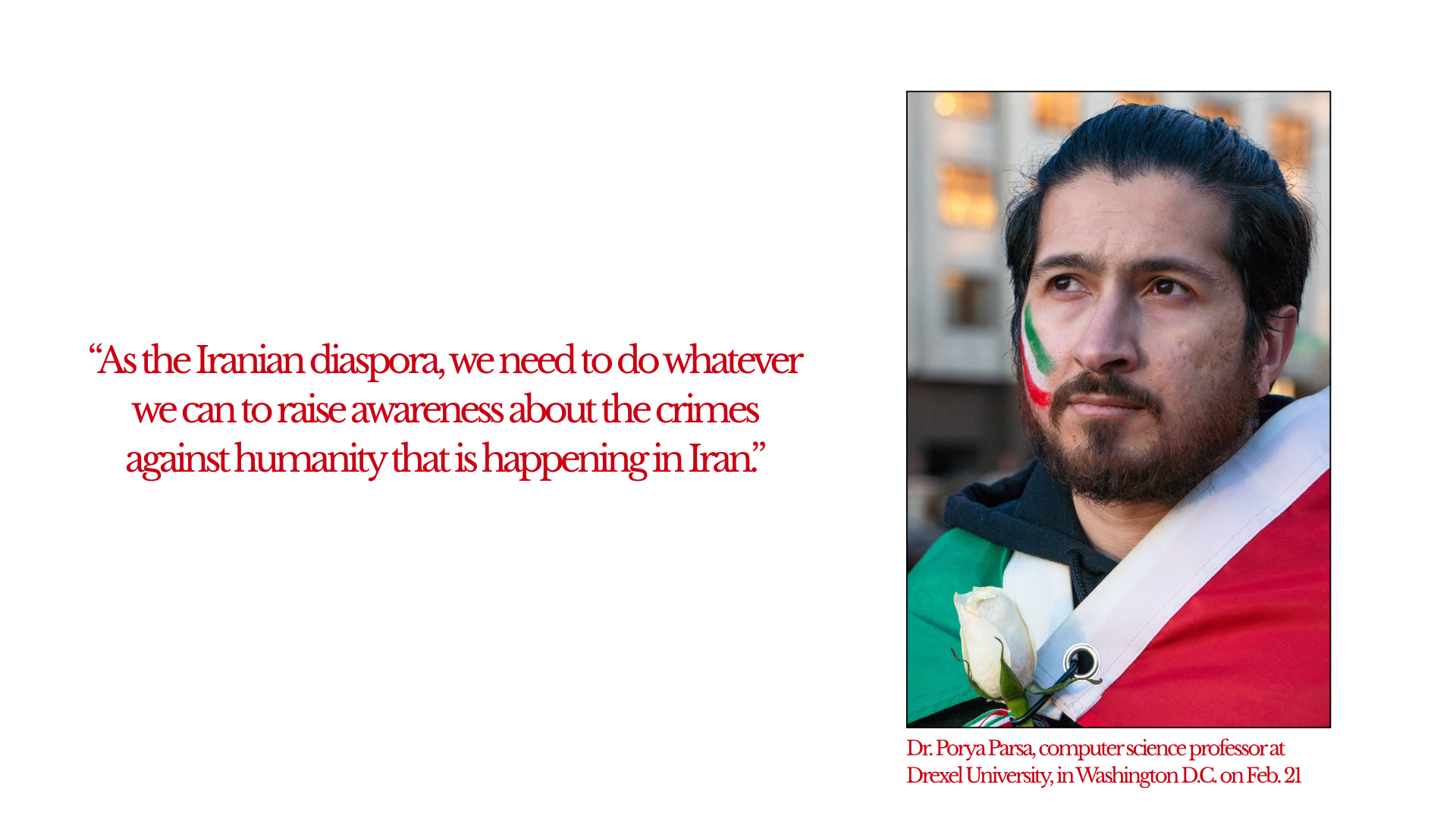
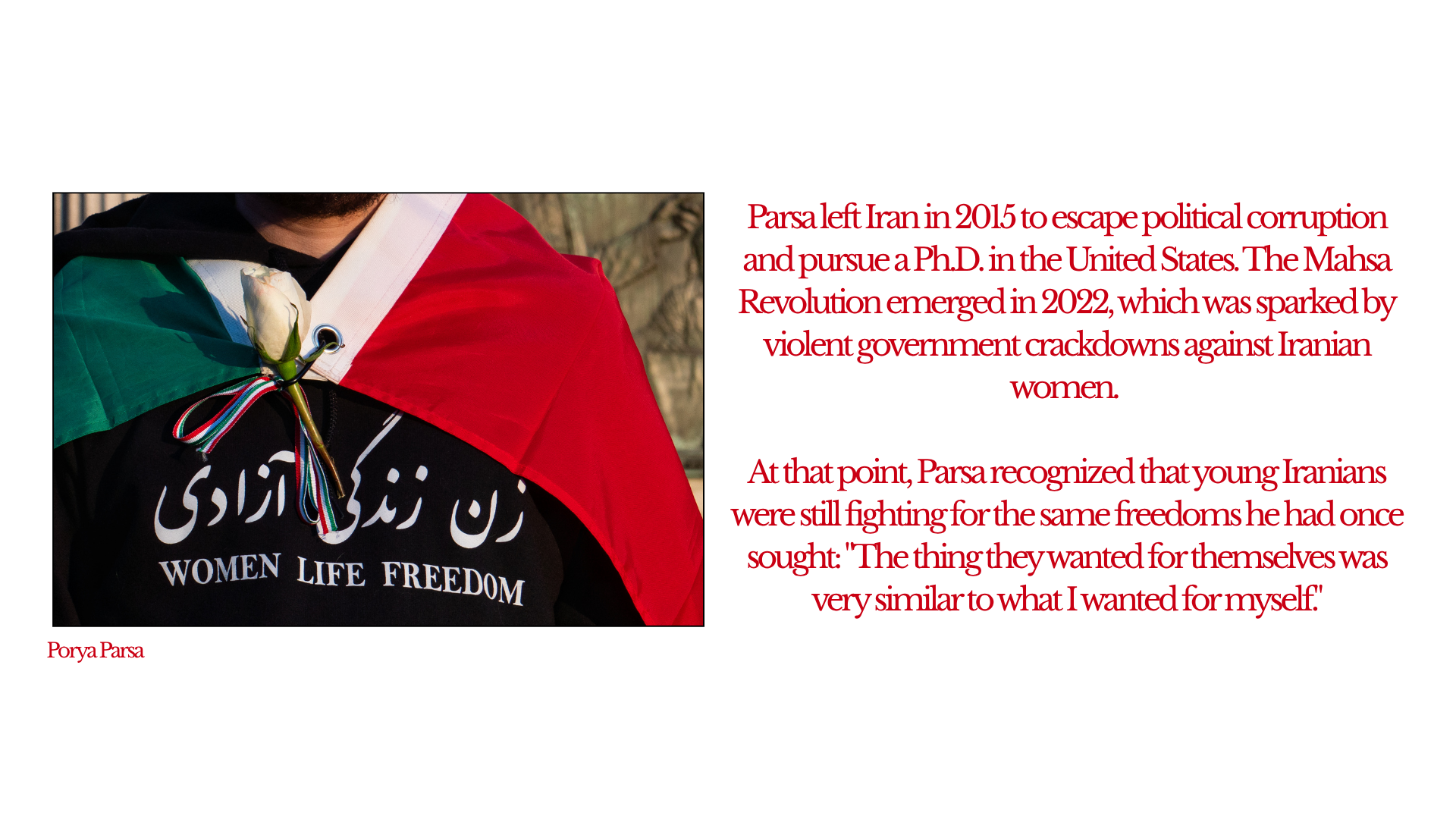
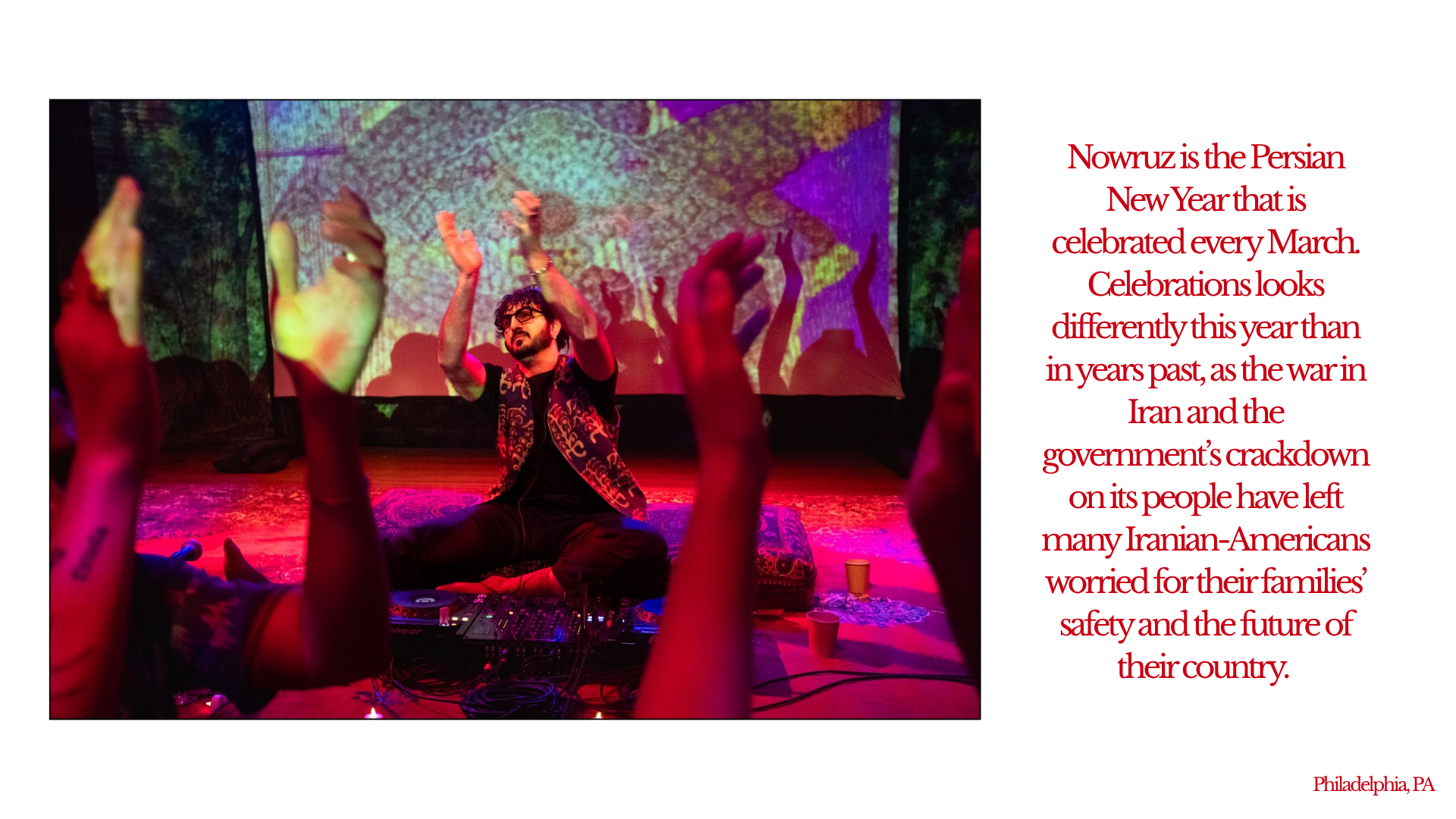
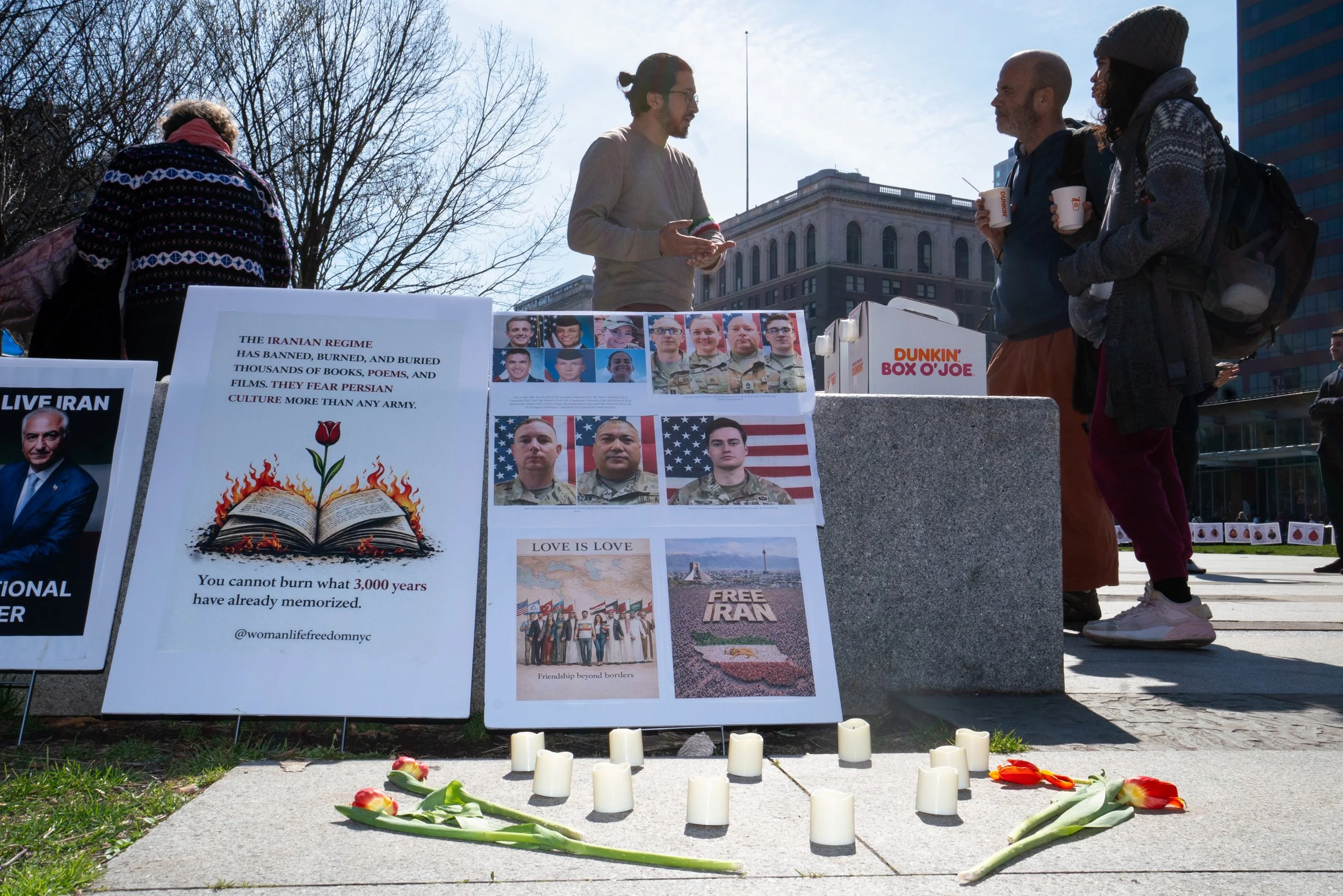
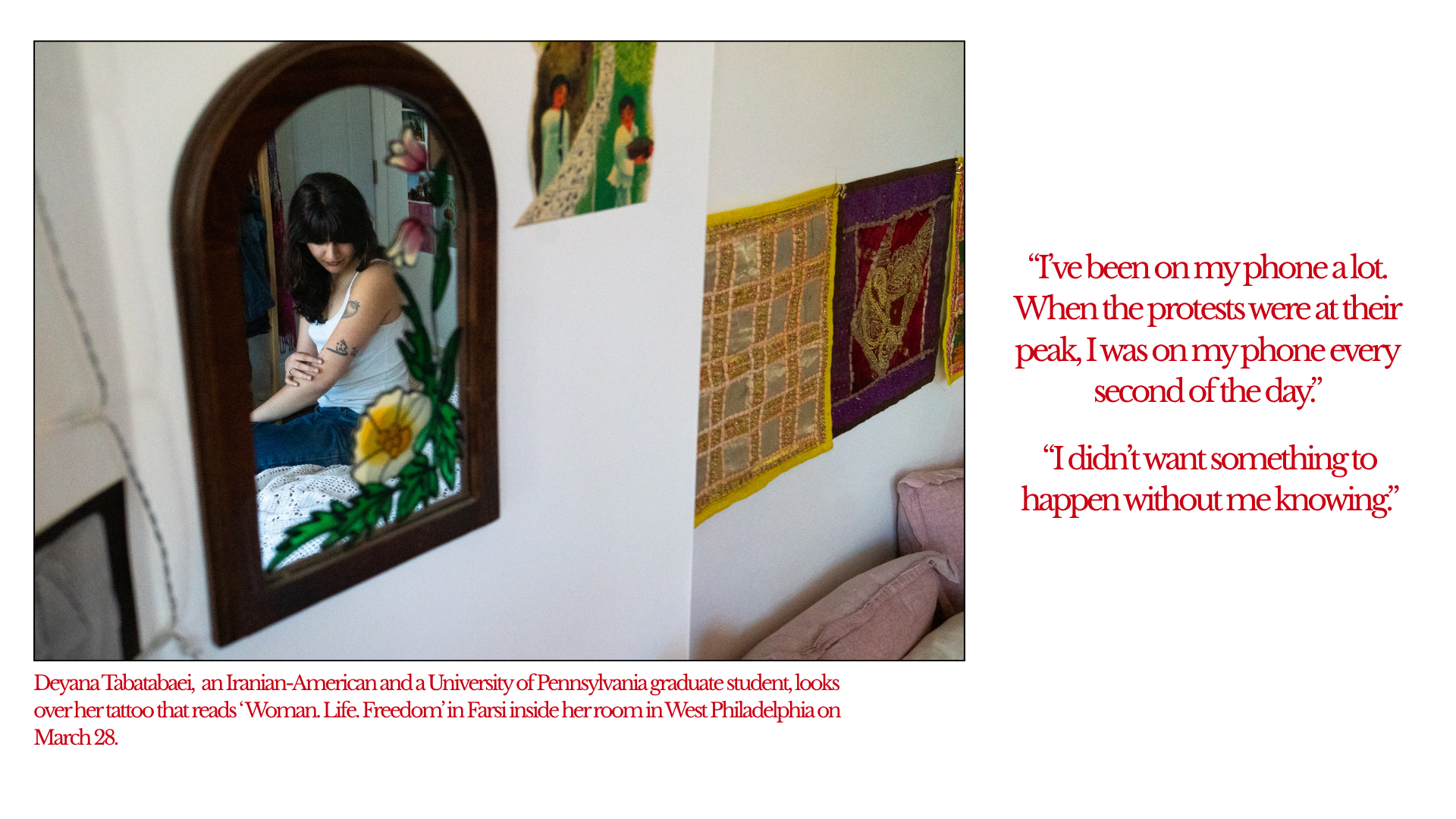
There’s a persistent anxiety that looms for many Iranians living in America and abroad: While some Iranians hope the war will lead to a transition of power and favor Reza Pahlavi as their democratic leader, others believe it has worsened the conflict and put even more Iranian lives at risk. All worry for their families and friends’ safety.
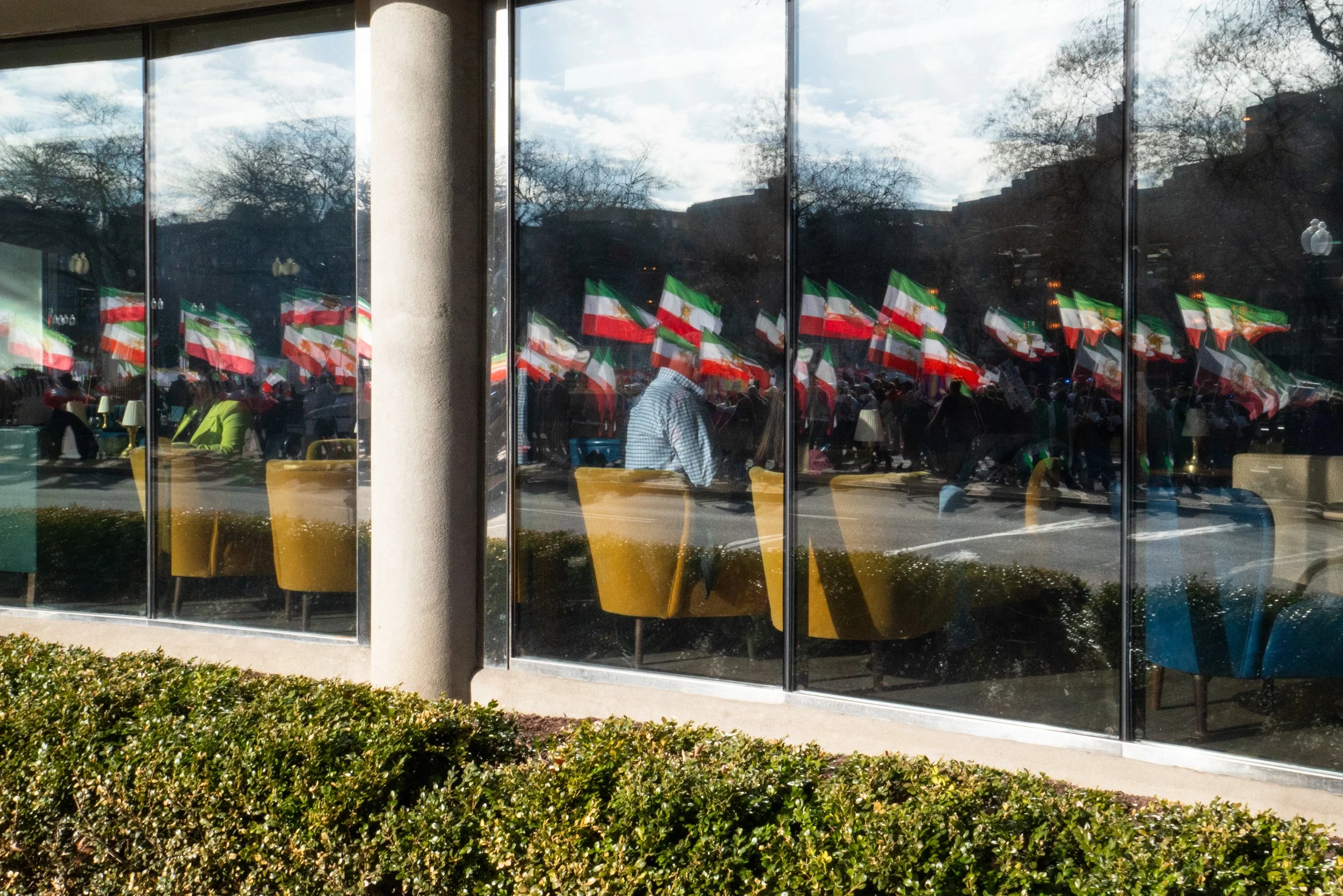
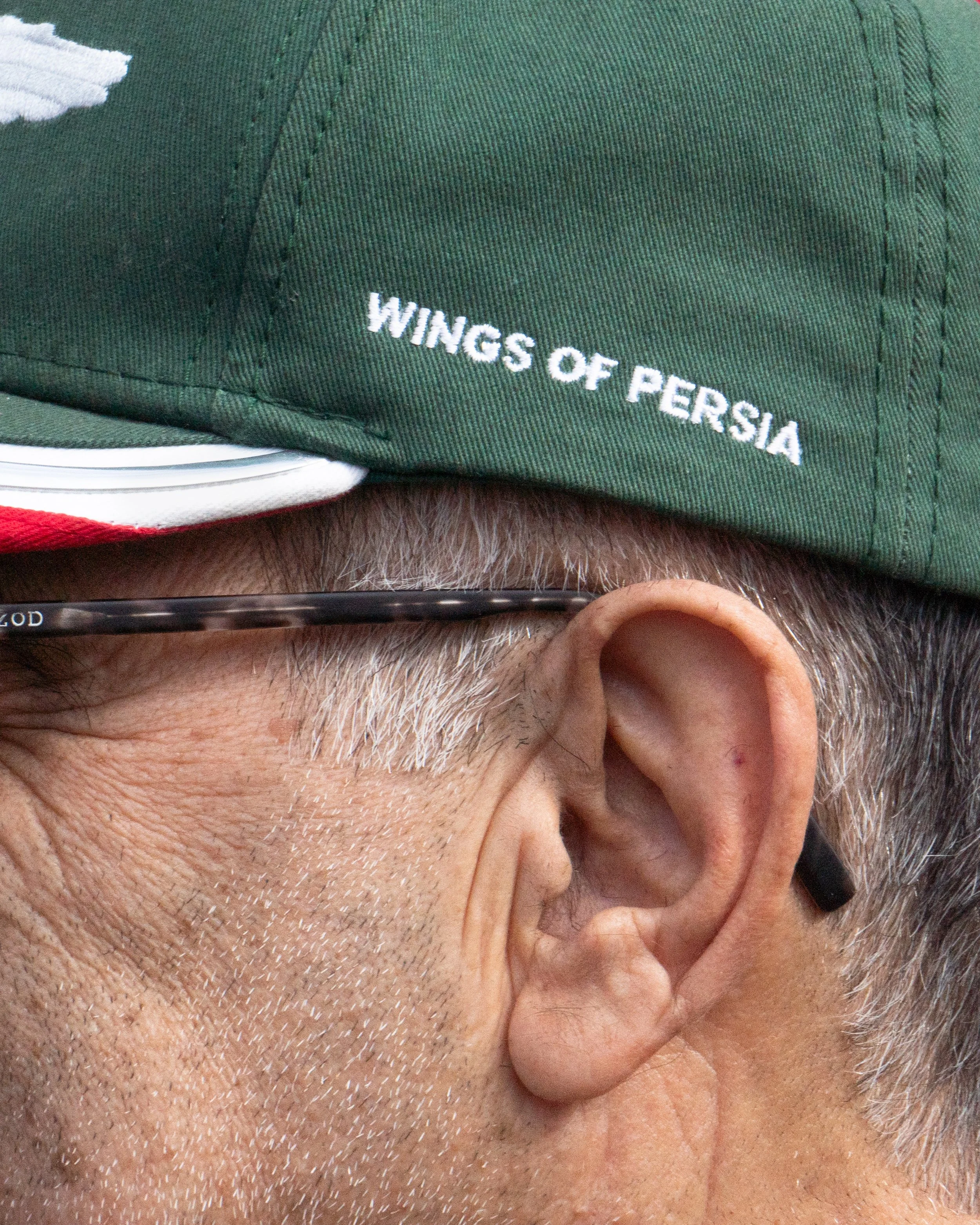
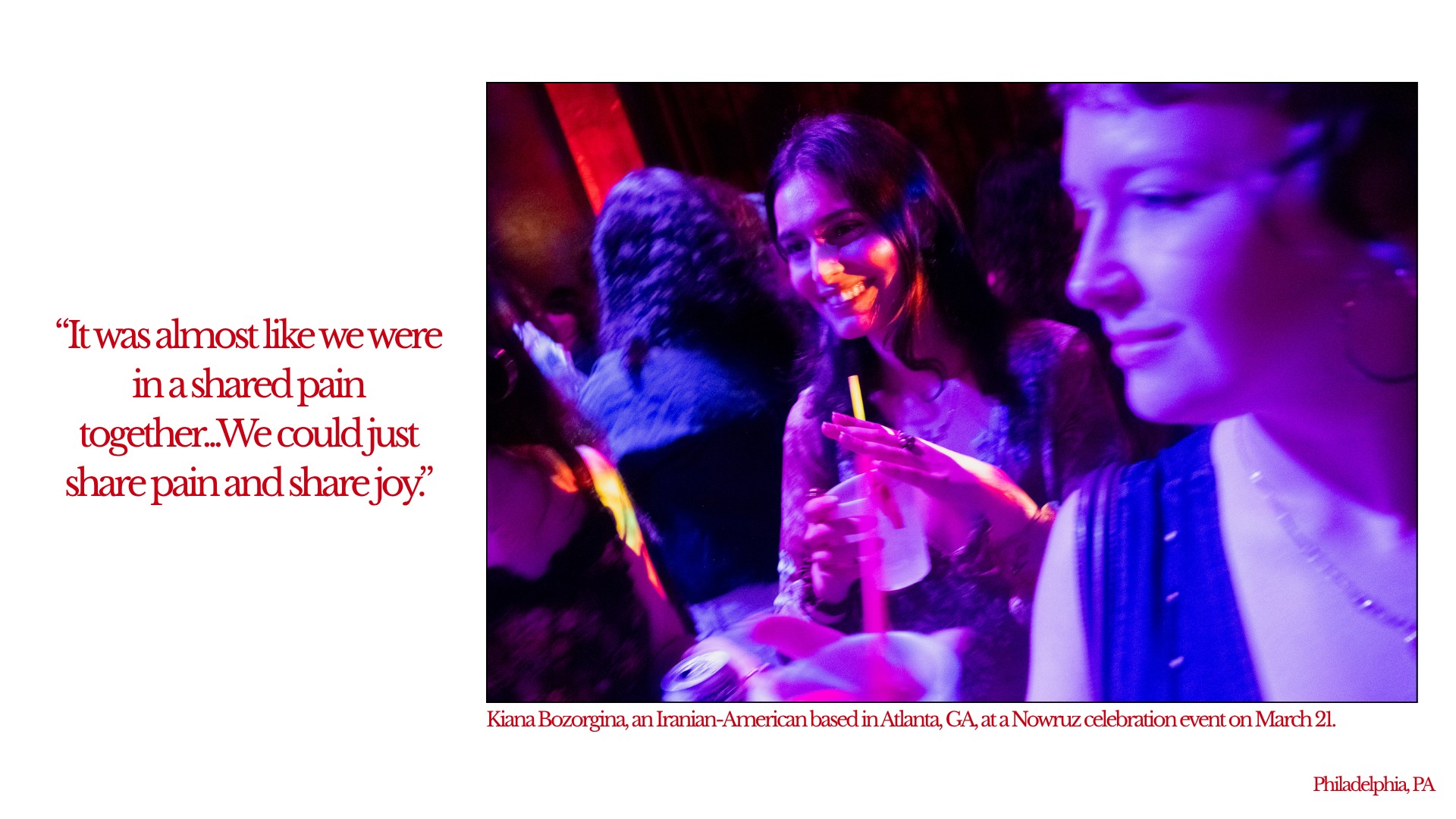
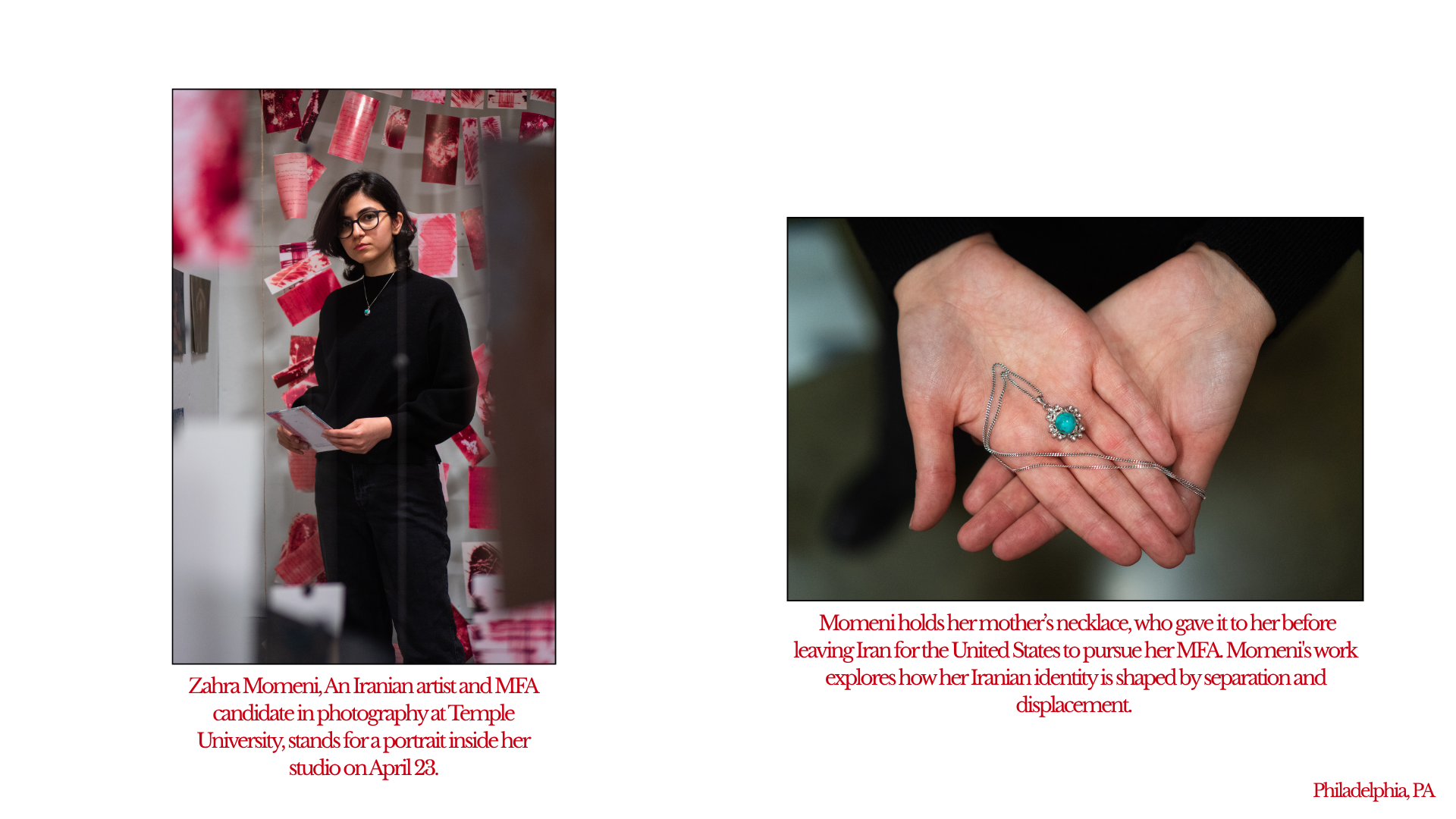
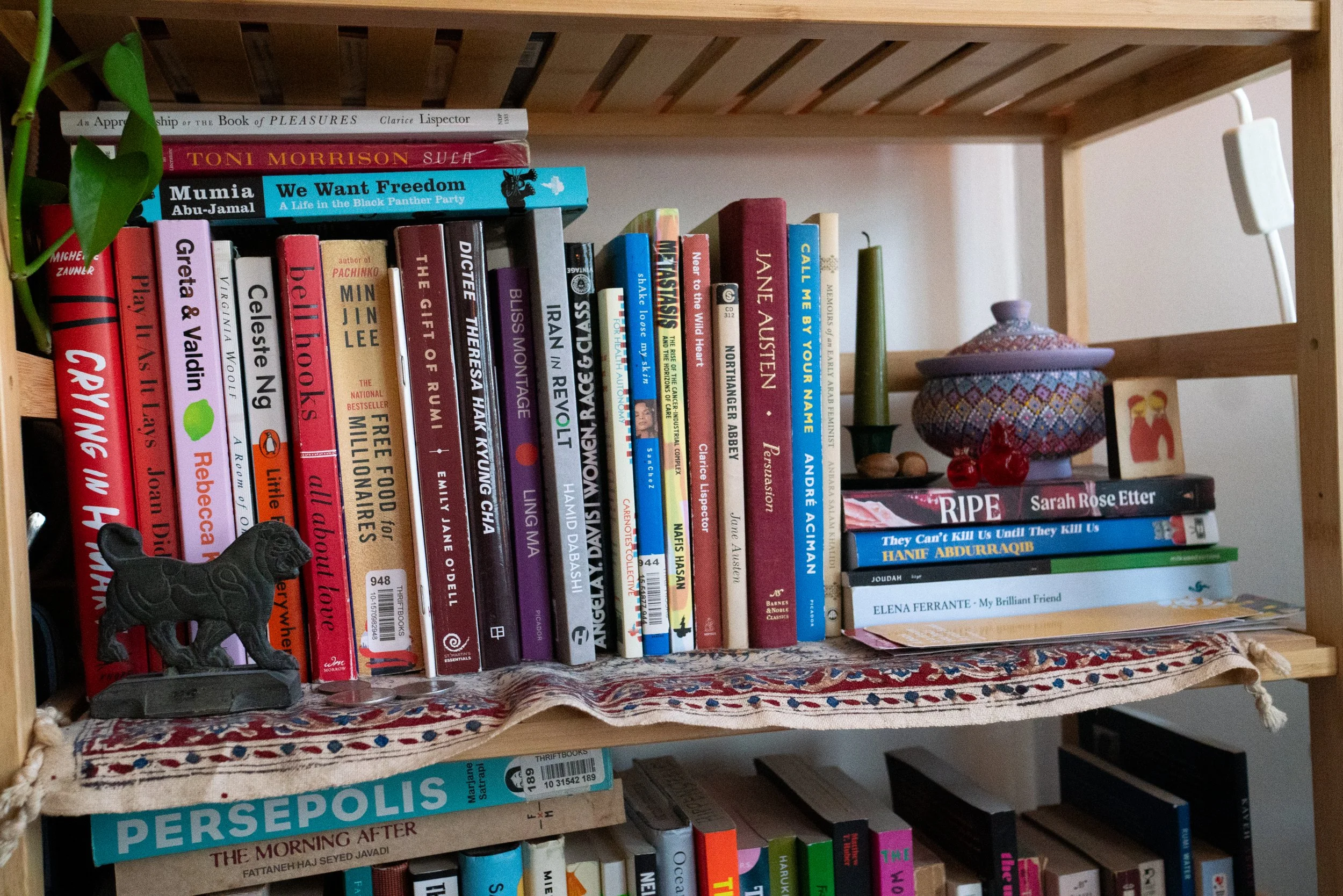
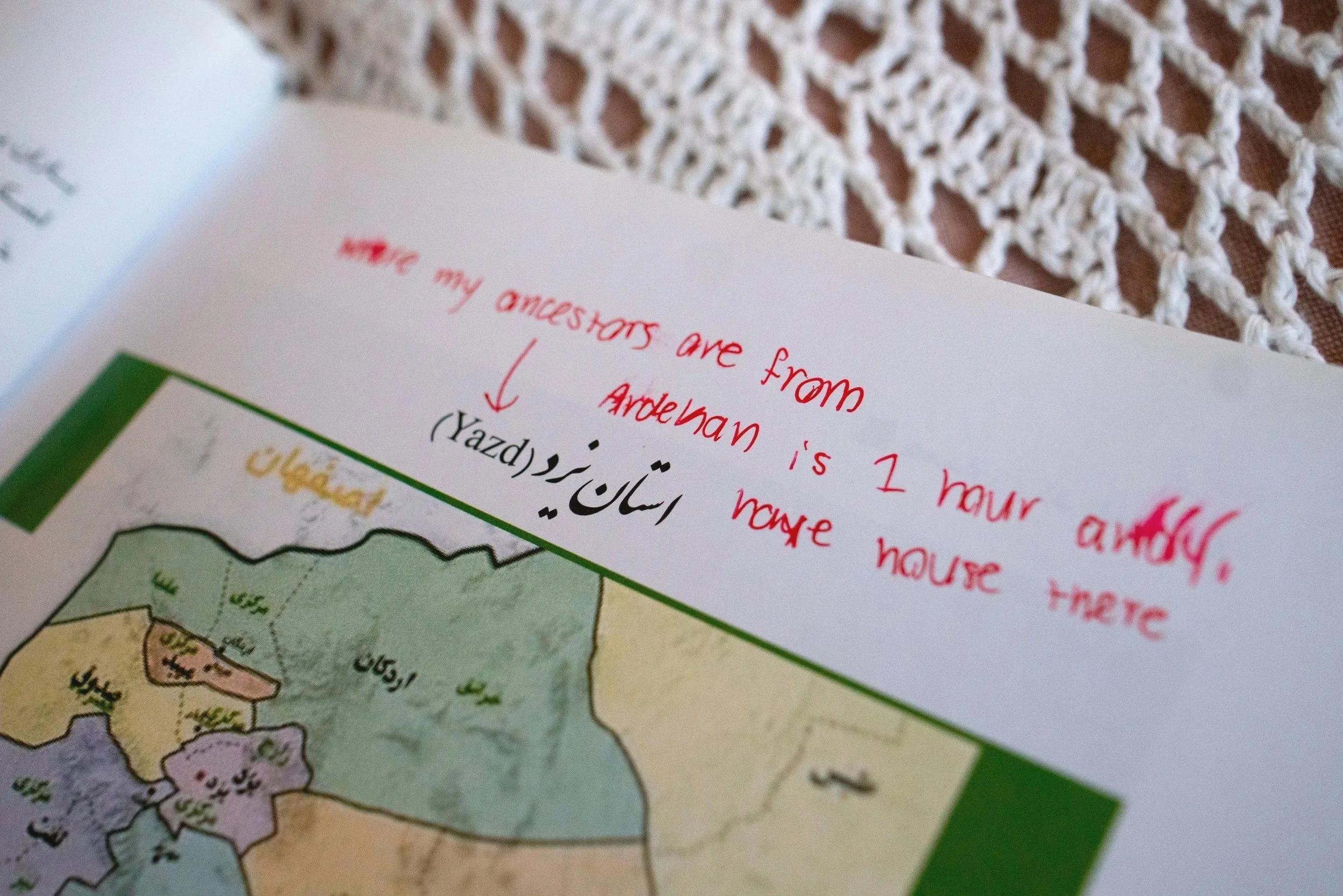
This project looks to highlight a variety of individual experiences of Iranians and Iranian-Americans.